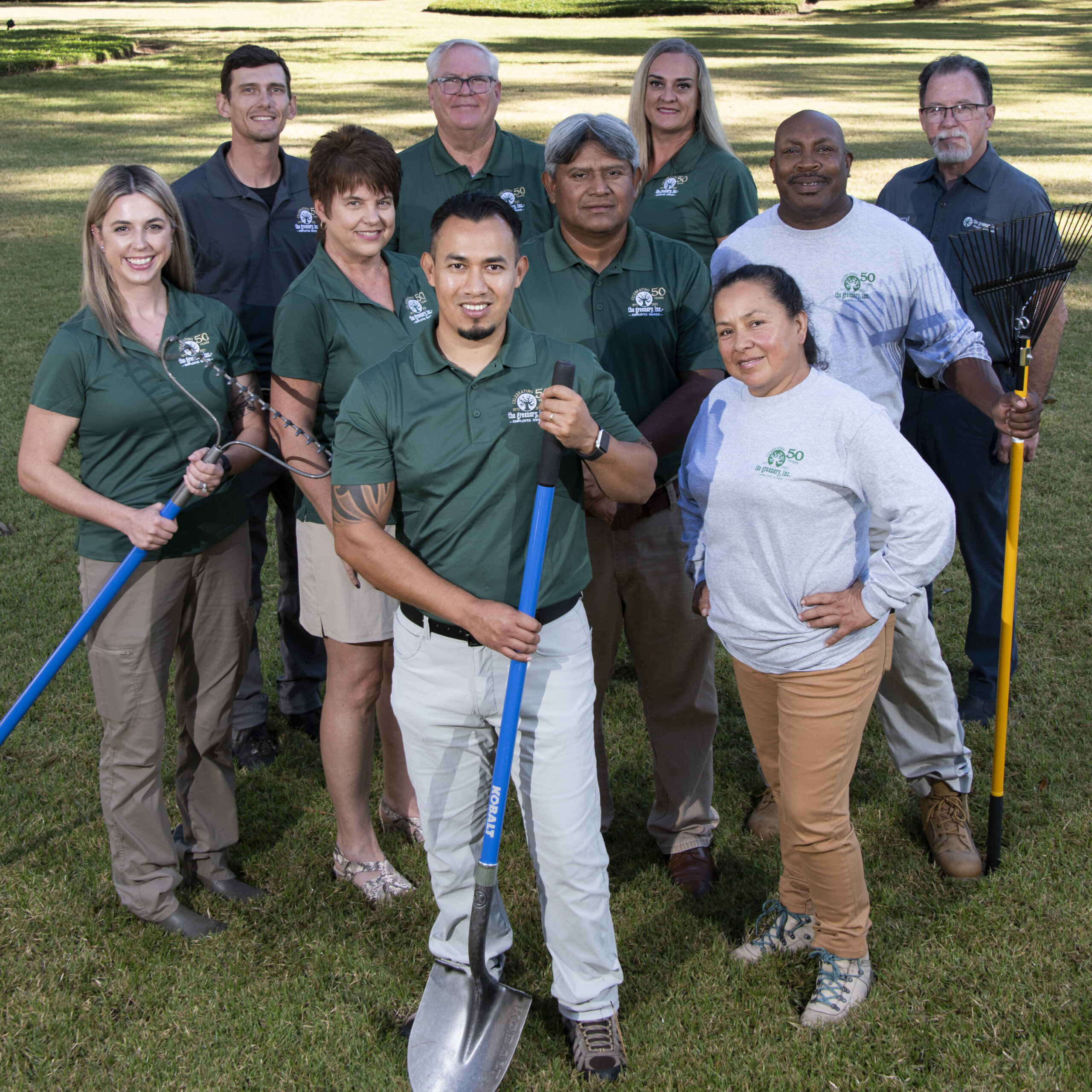
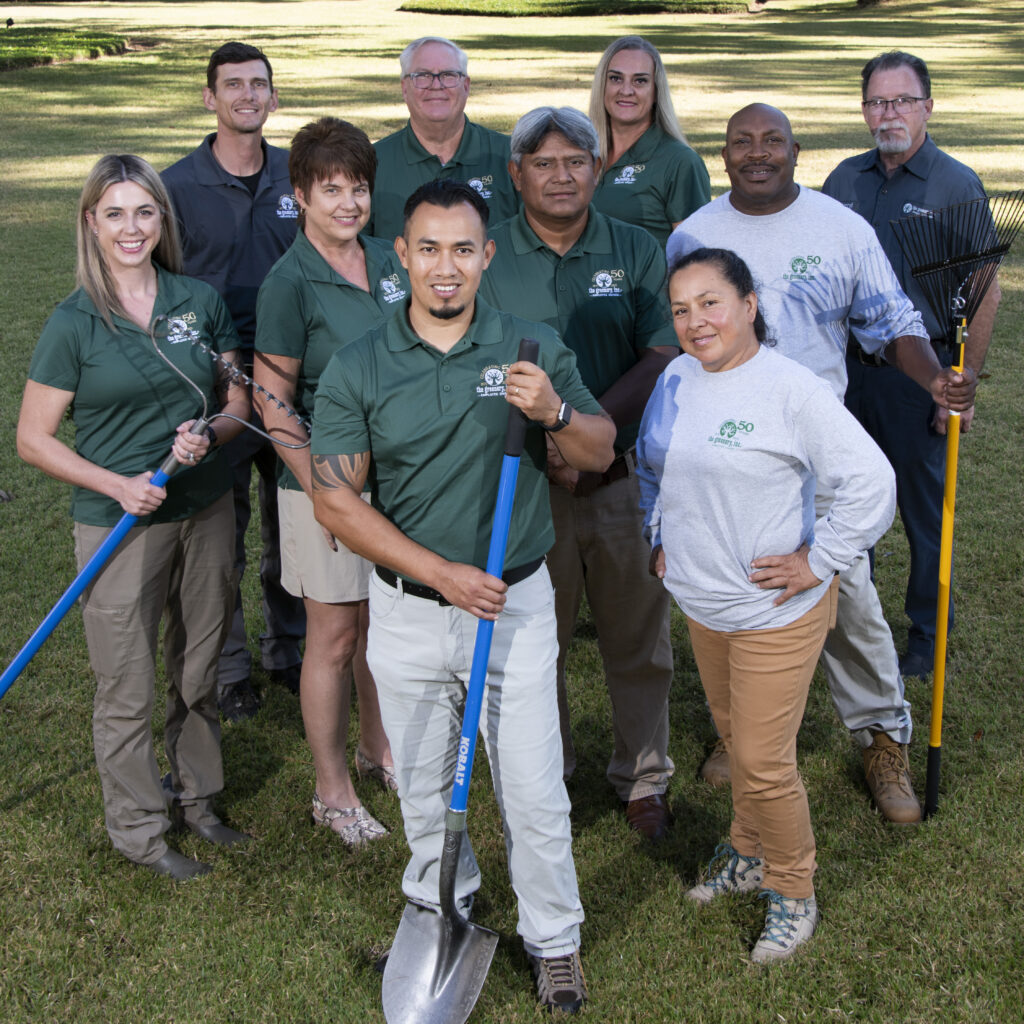
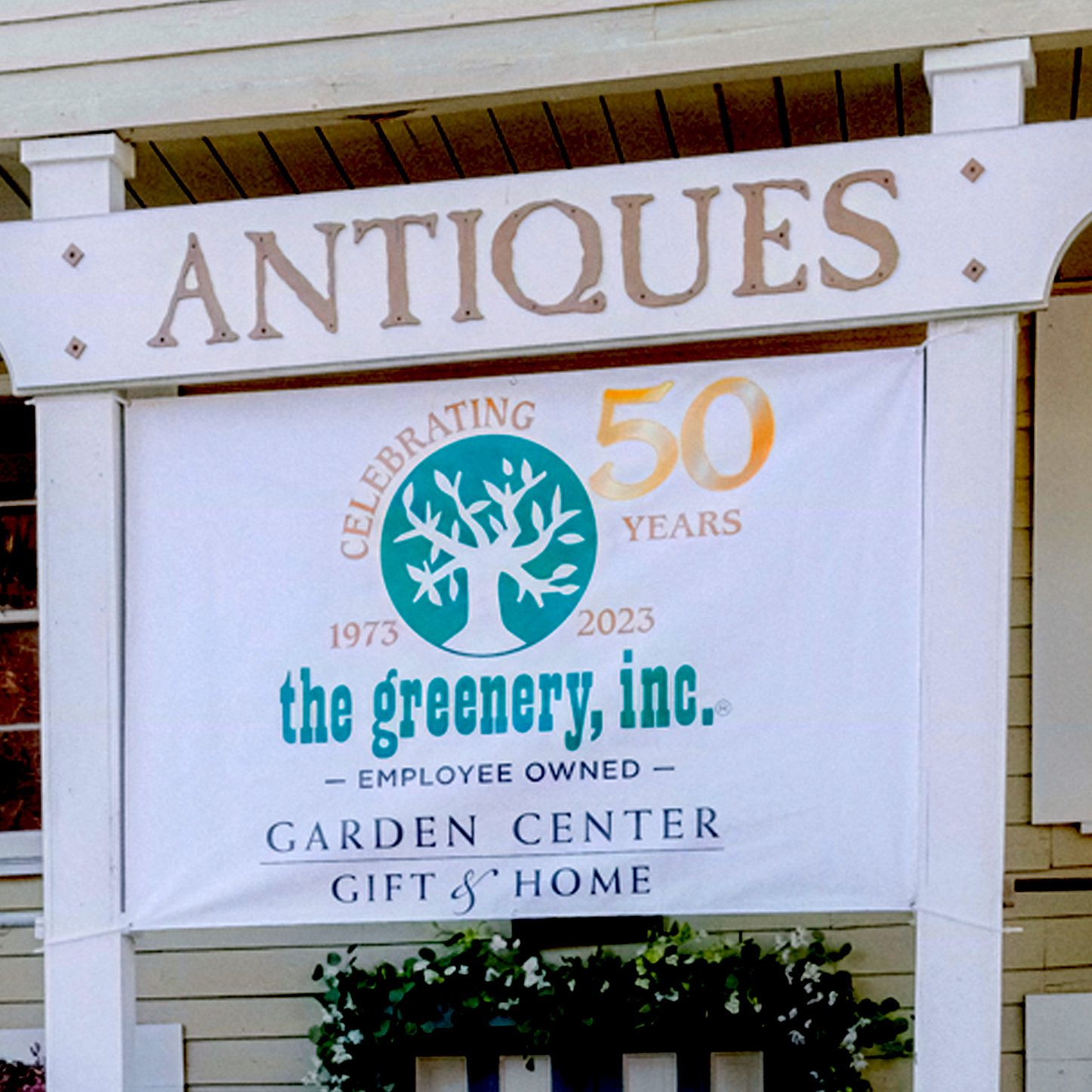
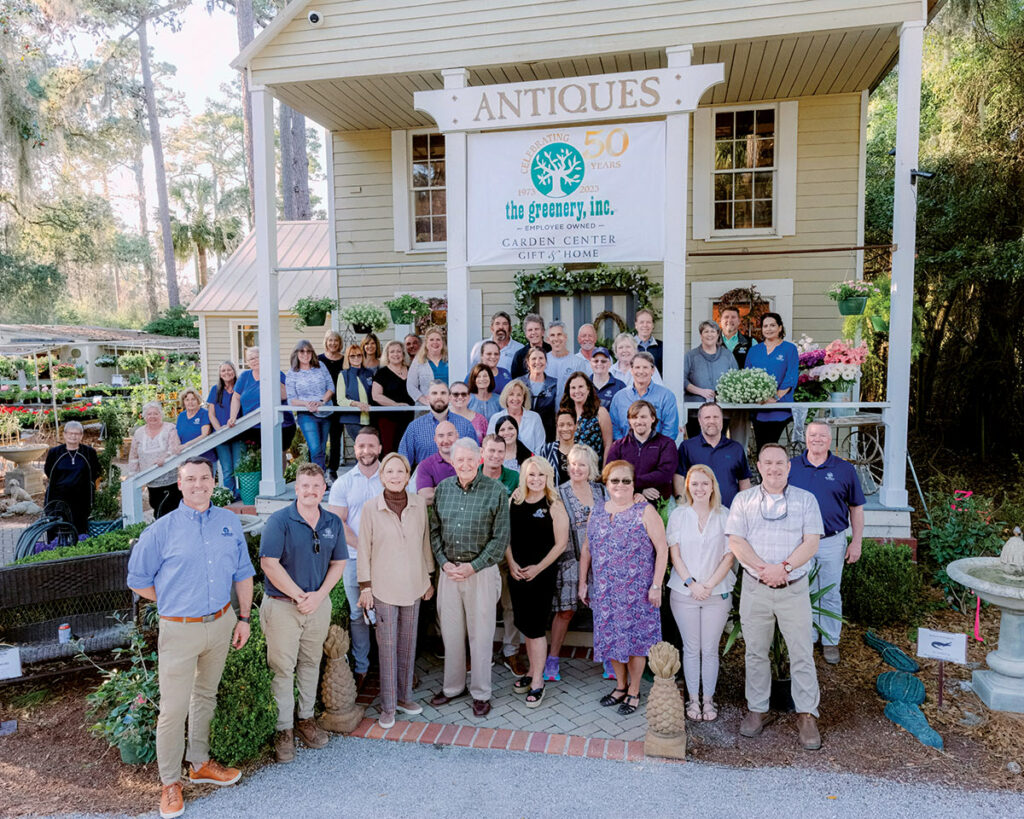
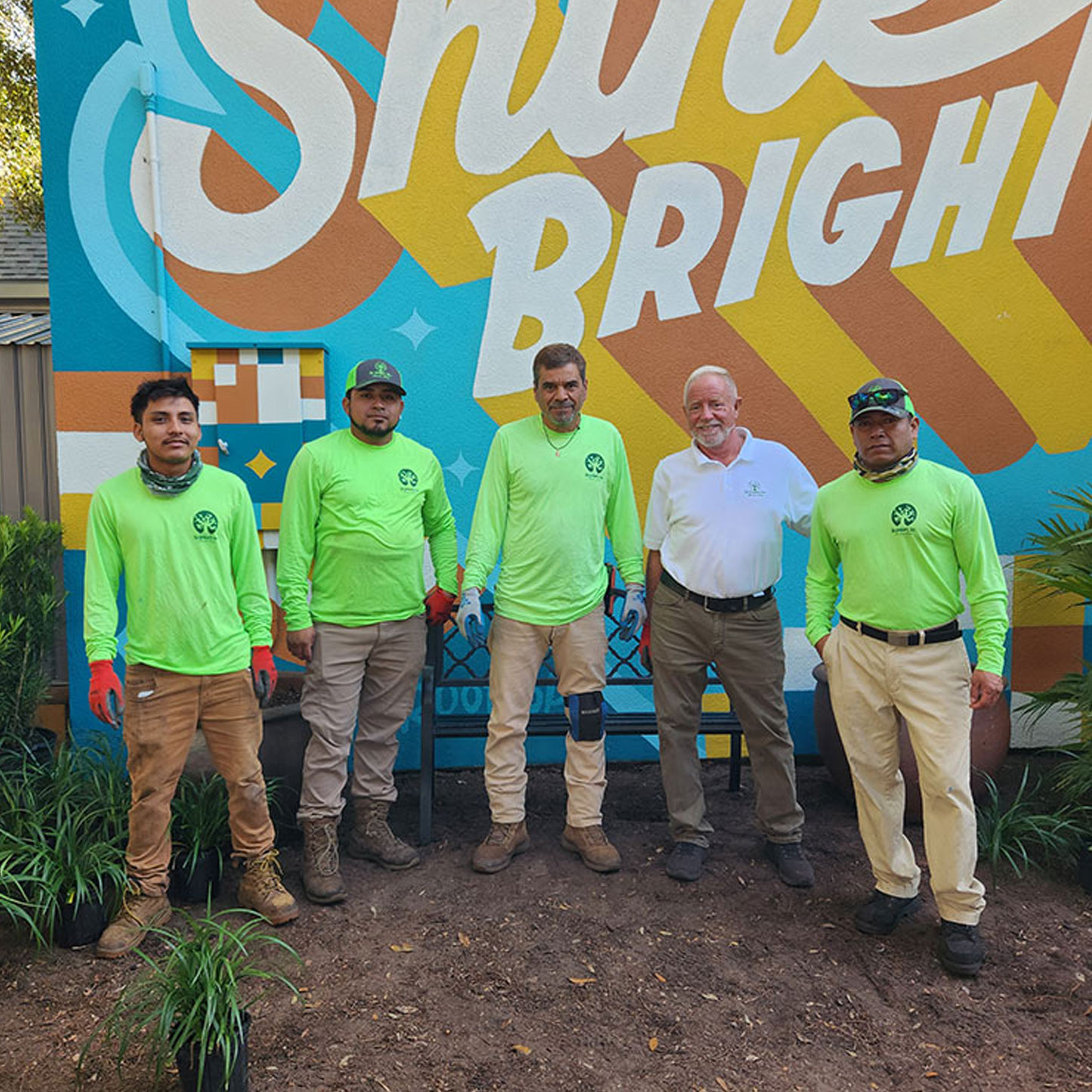
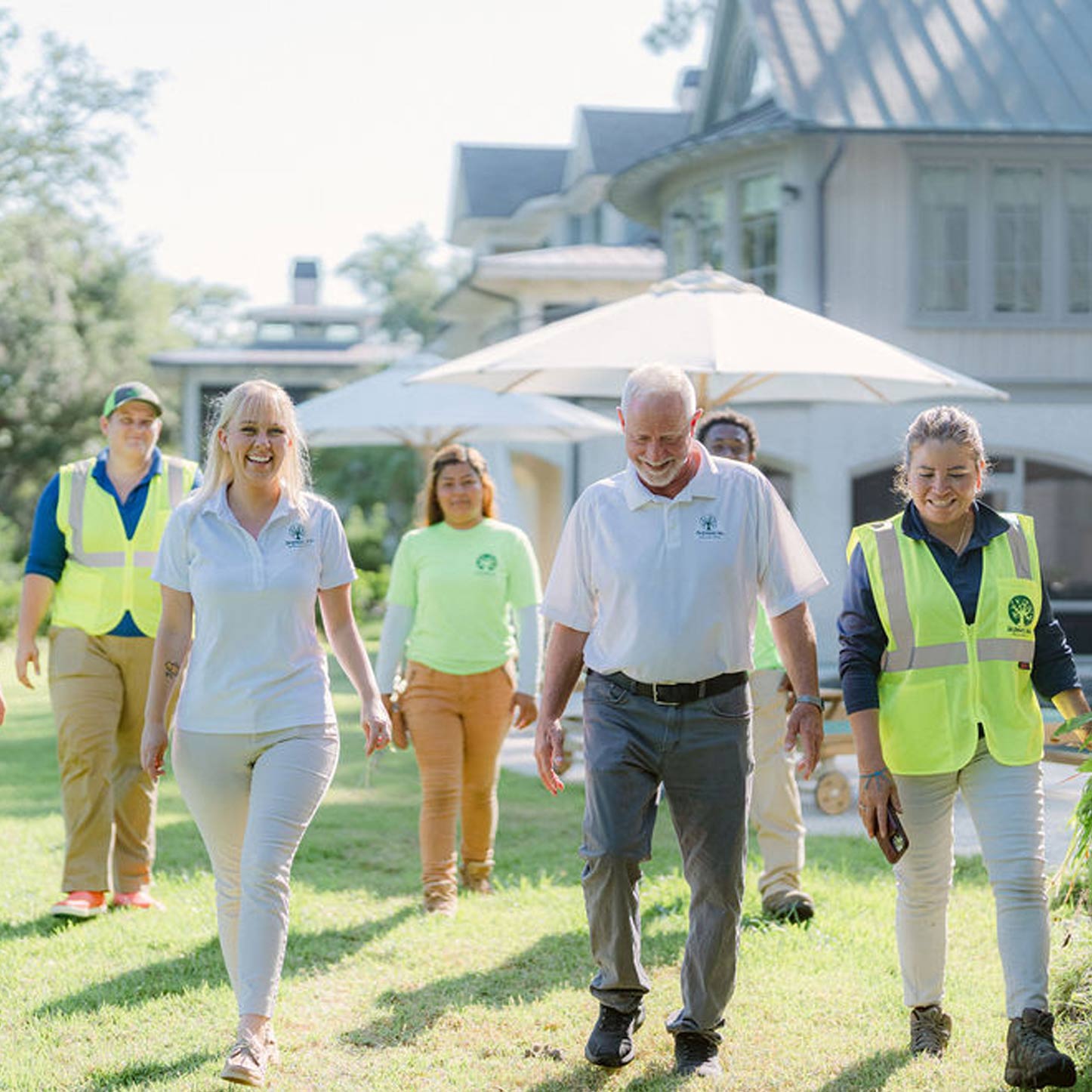
The Greenery is celebrating its 50th anniversary and 20 years as 100% employee-owned.
After 50 years in business, The Greenery, based in Hilton Head, South Carolina, has a lot to celebrate. The company earned $92 million in revenue in 2022 and ranked No. 28 on this year’s Top 100 List.
This year also marks another important milestone — the 20th anniversary of becoming 100% employee-owned.
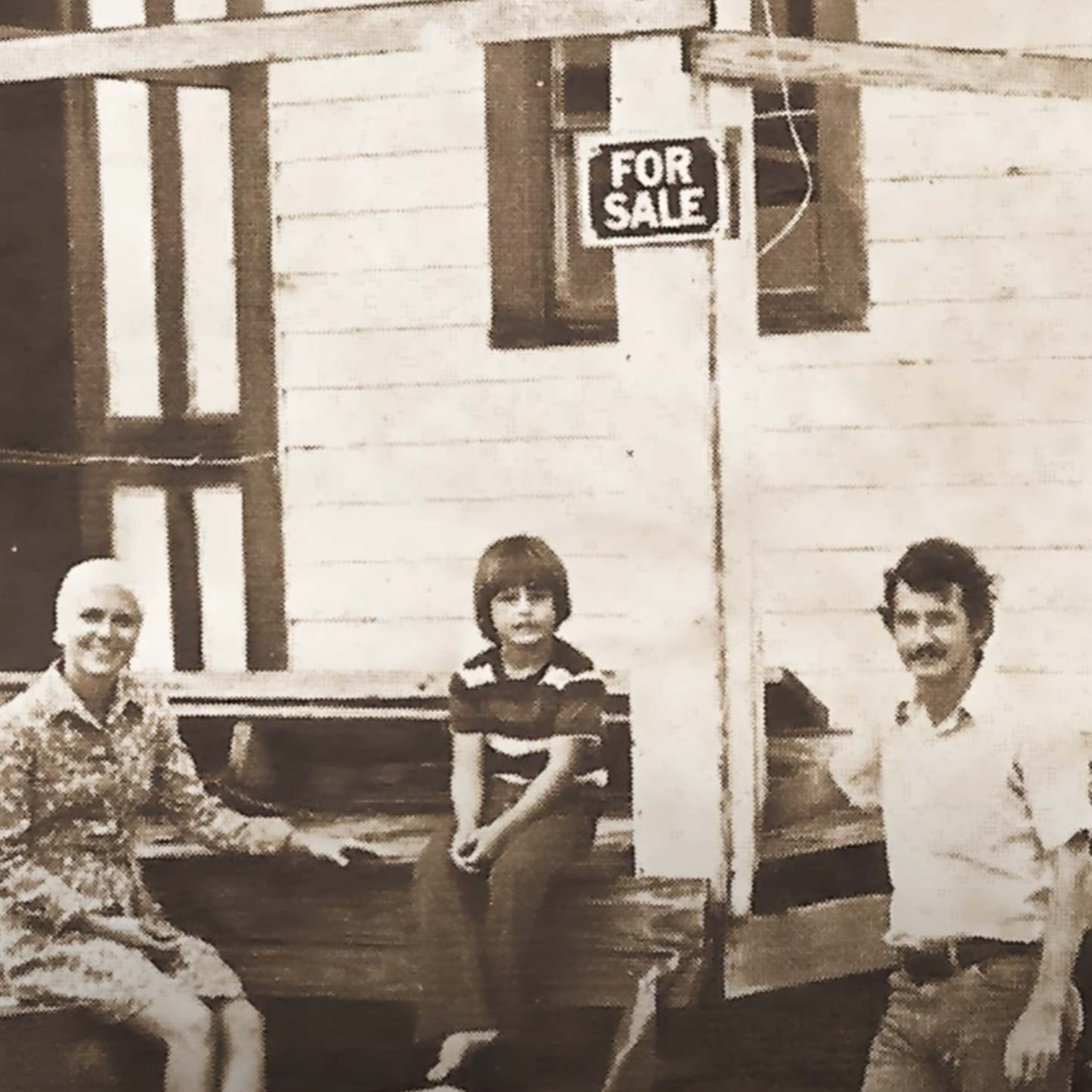
Current president and CEO Lee Edwards says it was following a vacation to the island that his parents fell in love with Hilton Head and wished to relocate.
“They were looking to do something different. They came back from vacation a couple weeks later and said, ‘We need to find a way to move there,’” he recalls. “Somehow, somebody mentioned this little landscape business for sale and my dad didn’t even know anything about landscaping. But they went and talked to them, and he started looking at it from the numbers and from a business standpoint. Then they went to talk to the head foreman.
“When they bought the company, it had six employees and two pickups,” he adds. “They said as long as Leon, the crew foreman, agrees to stay on, they’d buy the company.”
And with that, The Greenery was born.
Welcoming the next generation
Fast forward 50 years and that landscaping company has expanded to more than 1,000 employees across multiple branches spanning from Greenville, South Carolina, to Daytona, Florida.
Edwards says his path through the green industry has been a unique one — noting that originally, he wasn’t planning on joining the family business. Growing up, he’d work on a crew during the summer but didn’t plan on returning once he went away to college. He remembers a pivotal moment that changed his mind.
“I ended up in Colorado one winter after college,” he says. “When the summer rolled around, I stuck around and got a job at a landscape company. I knew how to run all the equipment and spoke fluent Spanish. By the end of the season, I was running half the company for the guy and there was talk about us becoming partners.”
But Edwards says he didn’t want to work for just anybody.
“I called my dad and told him I wanted to give it a shot,” he says. “I think my dad had secretly hoped that it’s what I would do.”
In 1999, Edwards opened his own separate branch of The Greenery a little closer to home in Charleston.
“I was running my company in Charleston and doing well and then my dad got cancer,” Edwards says. “That sort of accelerated his timetable on retirement. He started rethinking his life and his priorities — and that’s when he created the ESOP (Employee Stock Ownership Program).
“I took over as president of the company in 2007, and that’s the same year we became 100% employee-owned,” he adds. “We had started the process in 2003.”
Invested employees
Edwards says the purpose behind the ESOP goes back to a fundamental business philosophy of his father’s.
“I think one of the most important lessons I’ve ever learned from my dad is he always said, ‘Hire good people. Get out of the way. Let them do their job. And reward them well,’” Edwards says. “He really believed that and took it to heart, and I do, too.
“His thinking was he built up this really successful company after all these years, but it wasn’t just him who did it — it was all these great employees who’d been here so long,” he adds. They dedicated their whole careers to this company and building it. This was a way to give back to them.”
CFO Ben Campsey says it was The Greenery’s ESOP that pulled him away from a lucrative career in the hotel finance industry.
“An ESOP gives a company its instant why,” he says. “For most companies, why we do what we do is the hardest thing to define… we provide beautiful landscaping, but we also build retirements and a good lifestyle for the people that produce our product.”
From the get-go, Campsey says he’s seen the good in the ESOP countless times.
“Someone was in my office a few months ago and this person started with very humble beginnings 25 years ago and has worked his way up,” Campsey says. “He told me, ‘I think I’m going to be able to retire a millionaire.’ Who would’ve thought this guy coming in to mow lawns would’ve been able to do that. It’s stories like that, as a 50-year company, that builds the culture of who we are.”
Janet DiNicola, chief technology officer, says she’s witnessed these kinds of stories as well over her tenure with the company.
“What’s great about being an employee owner is it’s not something you have to sign up for; it’s automatically granted after you make it through the initial waiting period,” she says. “We’re not in an industry that generally promotes pensions or 401Ks. Some of these guys after being here over 15 years have developed quite a little nest egg… they didn’t save it themselves. It’s just the money that is given to them.”
While Edwards says there haven’t been too many challenges associated with the ESOP, he notes that educating employees on the benefits of it has been a hurdle.
“A lot of the employees were very appreciative but a lot of them didn’t understand it, or understand how it worked,” he says. “When someone gets a stock certificate the first time, it’s not really worth that much. But over time, as the value goes up and people earn more stock each year, it really grows exponentially after they’re here awhile.”
Campsey says that the more time an employee spends with the company, the more they pay attention to their ESOP shares.
“Every year we do our big stock reveal and we put some education around that,” he says. “We use pomp and circumstance to make it feel really official and we hand out cards and certificates to make it a big deal.”
Outside of the annual reveal, Campsey says The Greenery tries find unique ways to promote the ESOP.
“Our biggest challenge is, ‘What are the means we use to communicate this?’” he explains. “We’re in a decentralized environment and companies like ours have industry-wide high turnover. So how are we finding ways to communicate the benefits? That’s where I find it the hardest.
“We have a website we post videos on, a text messaging application where we can push information out to their phones and we have posters with QR codes that educate on ESOPs,” Campsey adds.
Edwards says he feels the ESOP allows The Greenery to get the most out of their employees, therefore impressing clients and influencing their growth.
“It’s a symbiotic relationship,” he says. “You treat the company well and it becomes more valuable. If it becomes more valuable, you earn more stock for your retirement…They can influence that stock unlike a 401K or an IRA… If you take care of your client, take care of your equipment, work safely and provide great service — our company becomes more valuable. If the company is more valuable, then the employees are the winners because they’re the ones earning more stock every year.”
Encouraged to explore
Outside of the ESOP, employees enjoy other advantages of being 100% employee owned.
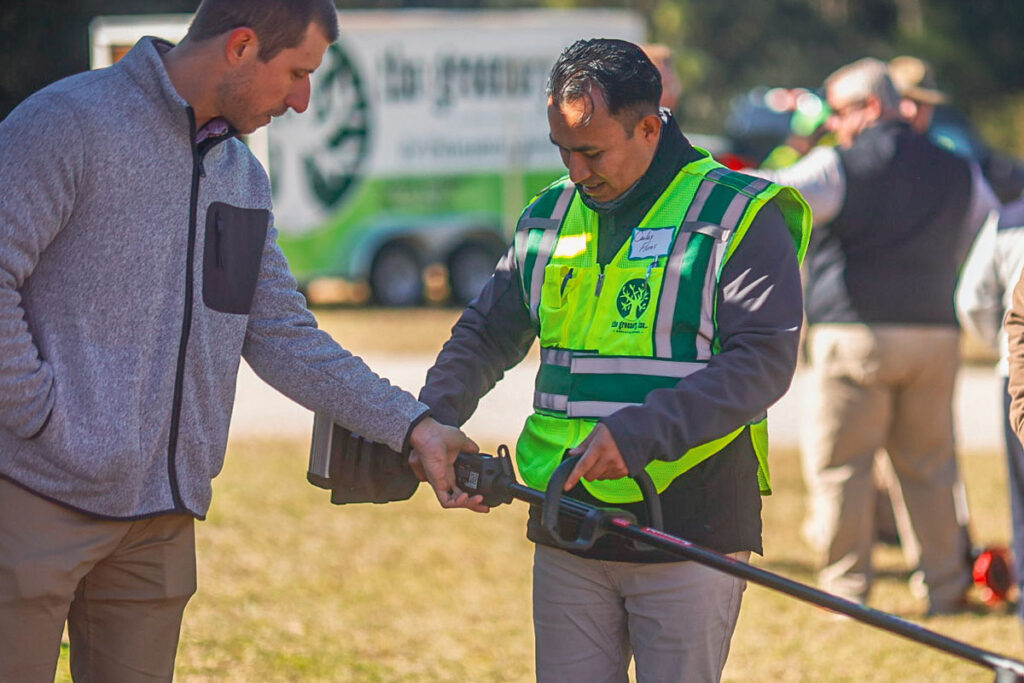
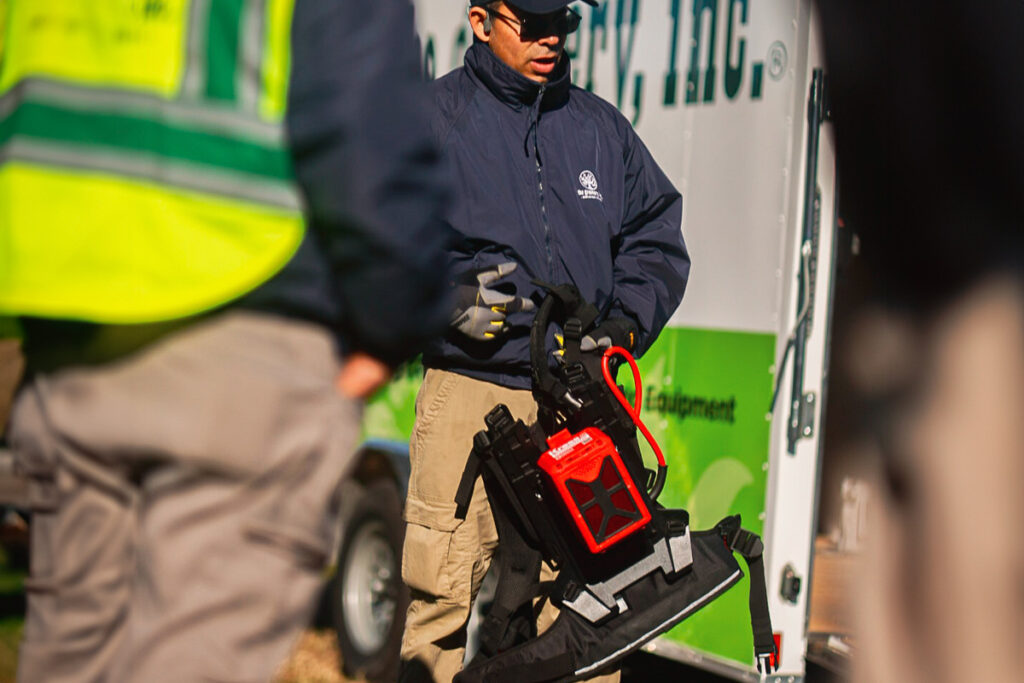
DiNicola says one valuable benefit is the ability to experiment and learn about the latest, most cutting-edge technology within the industry.
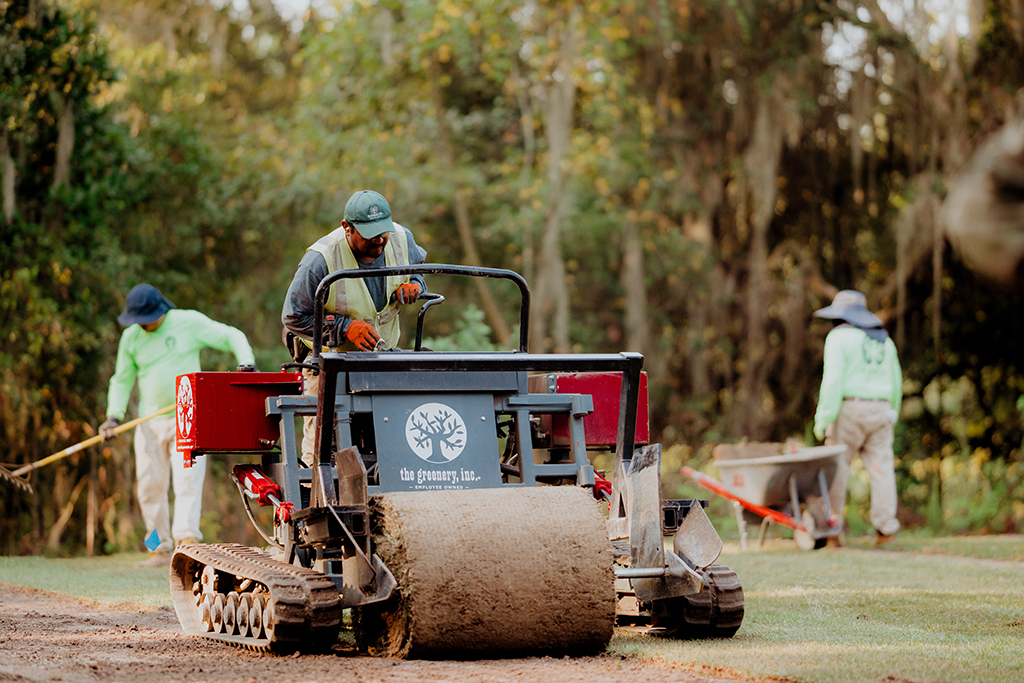
She adds The Greenery has prioritized technology in recent years as a way to differentiate themselves in their market and nationally. In 2019, DiNicola says the company moved away from typical Excel spreadsheets and invested in software designed specifically for landscaping.
“If you’re owned by a private equity company it’s all about making that dollar,” she says. “Lots of times in the beginning, robotics or any new technology doesn’t make you too much money in the beginning because there is such a learning curve. I don’t think a lot of those companies will be the ones investing or trying things out like this.”
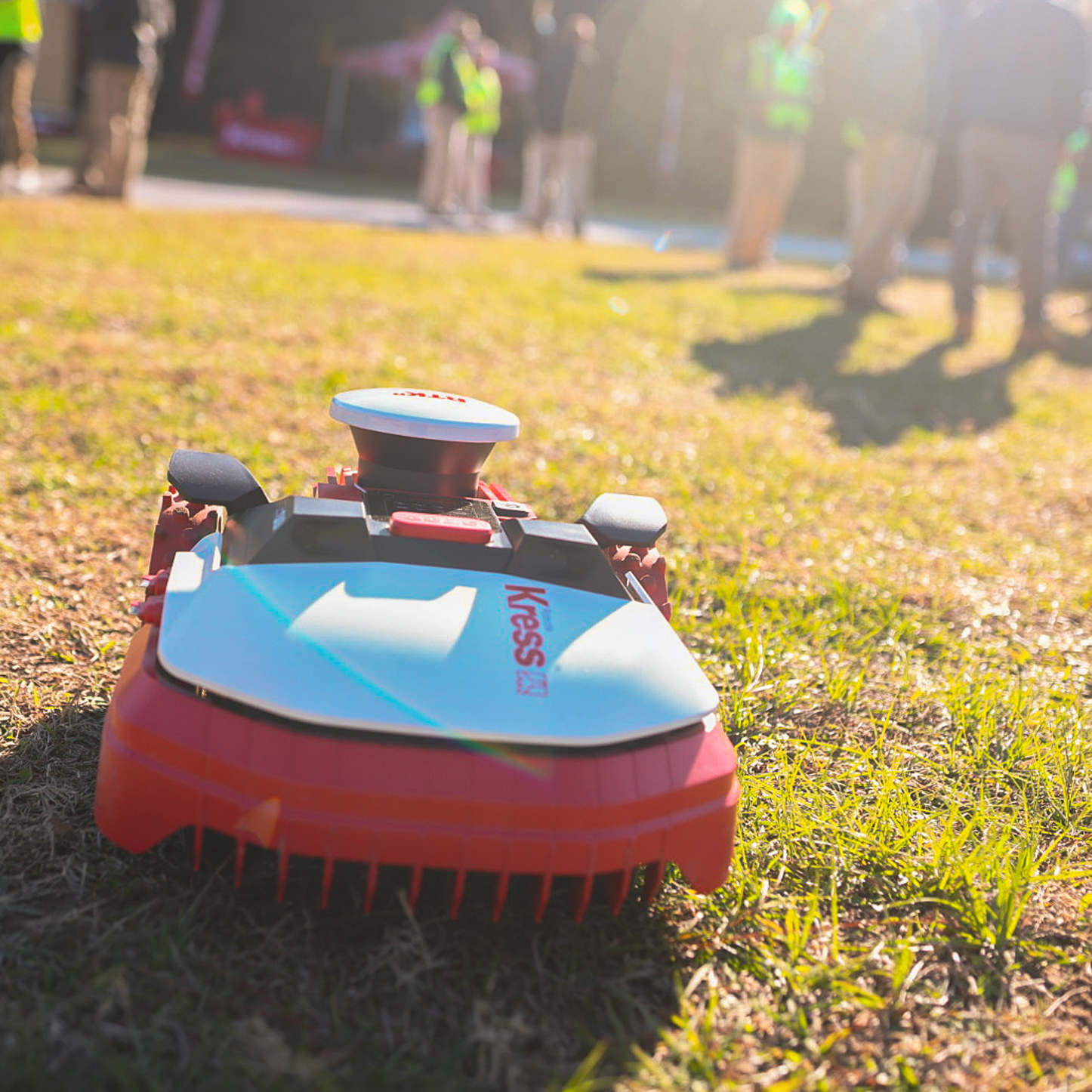
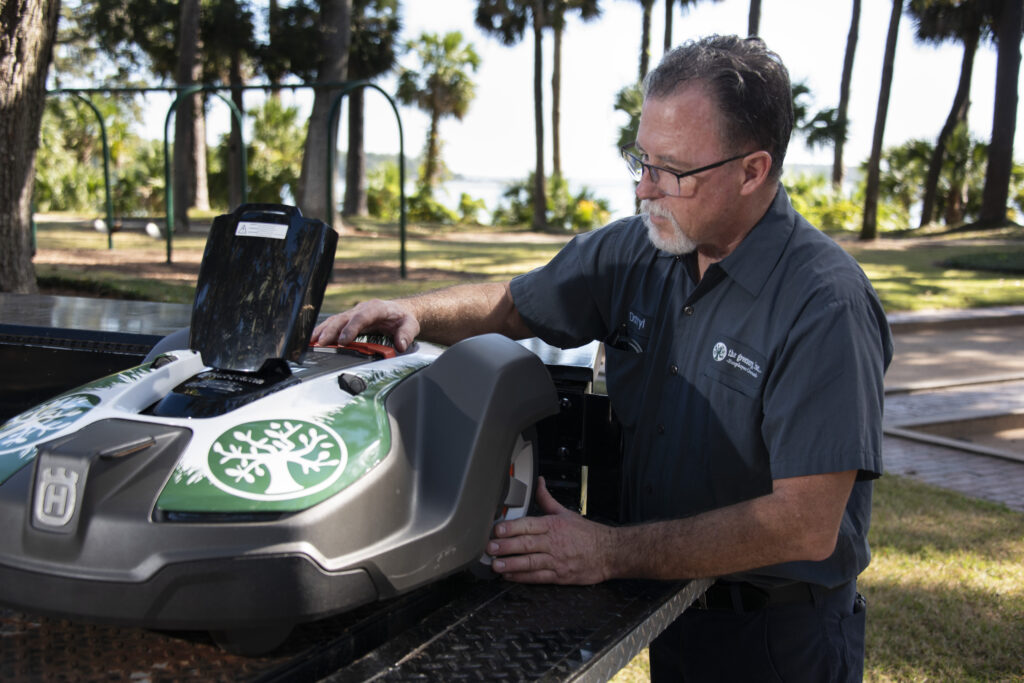
Robotic mowers have been another new frontier for the business. However, DiNicola recognizes it can be hard for some smaller companies, and even ones the size of The Greenery, to find opportunities to test out the new technology.
“Right now, it’s still really hard to get our hands on a lot of technology,” she says. “There’s a big difference between who is going after robotic mowers and who isn’t.”
Seeing green
With the milestone anniversary upon them, leaders at The Greenery agree that steady, thoughtful growth is the vision moving forward.
“One of our biggest objectives is to become a $100 million company,” DiNicola says.
While the majority of this growth will be organic, Edwards says the company is interested in making more acquisitions in the future.
“We’ve continued to grow steadily,” he says. “The last few years we’ve expanded out of our traditional footprint. We made an acquisition in Florida and opened another branch in Daytona. Those were exciting moves.”
However, Edwards stresses those acquisitions will be dependent on finding the right fit, which he says is no small task.
“A lot of companies when they make an acquisition, they are mainly buying contracts,” Edwards says. “With us, it’s all about the right cultural fit. We don’t want to just buy a bunch of contracts or revenue. It’s the relationships, the people, the safety program — all of it. We looked at one company I really liked until I saw their safety program and it was terrible. I thought if they don’t care enough to have a decent safety program and take care of their employees, it’s not the kind of company we want to be associated with.”
Edwards adds all this prospective growth will be inspired by the company’s employees as it always has been.
“I’ve always said we’re a growth-oriented company. Not because we want to go up the Lawn & Landscape Top 100 list, but because the way you hold onto people in our industry is you provide a future for them,” he says. “Whether it’s the No. 2 guy on the maintenance crew, a kid right out of college with a horticulture degree or a highly experienced regional manager, they want to take that next step. We provide an opportunity for everyone.
“We haven’t changed our philosophy,” Edwards adds. “We not interested in bringing on any other ownership and we plan to stay 100% employee-owned.”
National trade publication, Lawn and Landscape Magazine, recently featured this article on The Greenery’s 50th anniversary in the June 2023 edition.
By: Kim Lux, Assistant Editor